Australian Researchers Say Climate Change Will Increase Mental Illness Rates
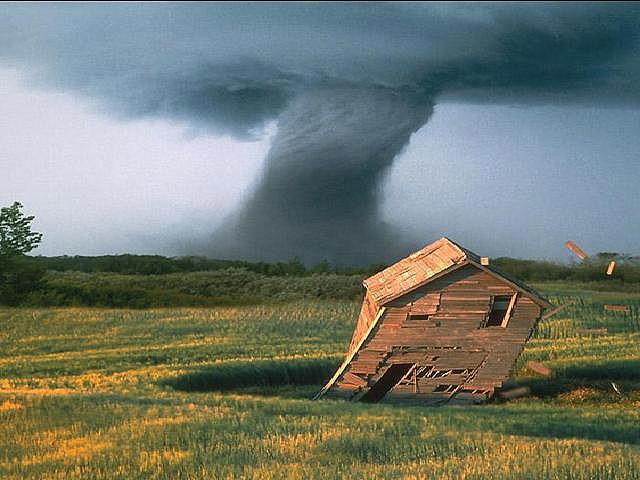
As climate change brings more extreme weather events like droughts, tropical storms and floods, prevalence rates for disorders like anxiety, depression and substance use are expected to rise.

A report by researchers at the Climate Institute in Australia suggests that if climate change continues to bring more severe weather events, as has been predicted, then the world will see a corresponding increase in mental illness as people struggle to cope with the social disharmony, loss of occupation and stress that tend to follow major weather events.
The report authors say that after extreme weather events, such as cyclones, droughts and floods, as many as 20% of those affected can expect to experience emotional or mental health consequences.
To back up their claims, they say that the 10 year long drought plaguing Australia has caused an 8% increase in suicide rates in rural communities, as people in these communities struggle with loss of livelihood and all the substance abuse and mental illness that tends to accompany such a devastating economic downturn.
Commenting on the report, Dr Rob Grenfell, a GP in Victoria's West Wimmera region says he has seen with his own eyes the "disharmony and pain" caused by the prolonged drought and then the heavy flooding of earlier this year, saying, “Many businesses have gone broke and so many people have left the community. Financial stress also brings on psychological distress and, sadly, in some cases, suicide, and episodes of domestic violence and alcohol and drug problems."
Lead report author Professor Ian Hickie says that while health researchers have long been aware of the acute stress effects of major disasters, little study has yet been done on how major weather events break down community strength, which in turn leads to emotional and mental health problems. He argues, “We have seriously underestimated the effects on social cohesion. That is very hard to rebuild and they are critical to the mental health of an individual… When we talk about the next 50 years and what are going to be the big drivers at the community level of mental health costs, one we need to factor in are severe weather events, catastrophic weather events.”
More like this

Teen Stress Linked to Adult Mental Illnesses like Major Depression and Schizophrenia
For people already predisposed to mental illness (people with mental illness in the immediate family, for example) experiencing stress during adolescence likely increases the risk of experiencing mental illness as an adult.

Americans Won’t Pay as Much to Prevent Mental Illness as Physical Illness
Even though people say mental illness would have a greater impact on quality of life, they’re not nearly as willing to pay to prevent it as they are to prevent physical illnesses.

Driving to Work Degrades Mental Health but Active Commuting Improves It
Want to be happier (and avoid relapse?) Well, leave the car at home and walk, cycle or bus to work. Researchers say active commuting leads to substantial psychological health gains.

Compassion Training Improves Adolescent Mental and Physical Health
Teens in the Georgia foster care system given 6 weeks of cognitively based compassion training made greater improvements in mental and physical health than teens given no such training.

Experimental App: Using Passive Phone Data to Monitor Your Mental Health
Your phone’s accelerometer, microphone, location sensor and light sensors provide an app all the data it needs to identify mental health problems – in real time.