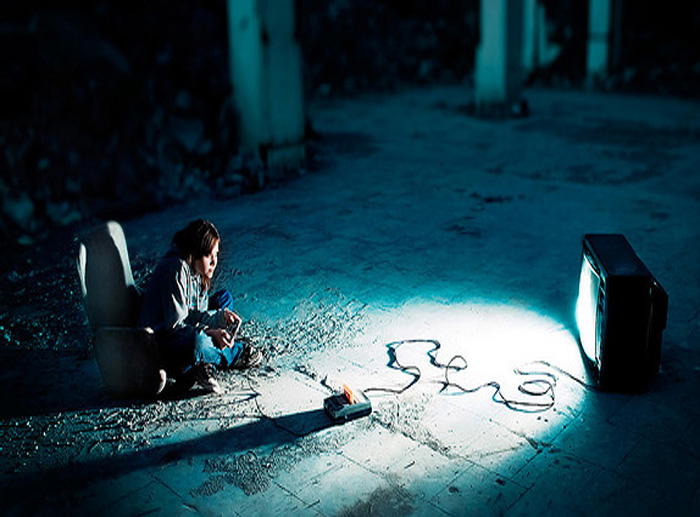
Overnight TV or Computer Monitor Light Increases Risk of Depression
Sleeping while exposed to low levels of artificial light, like from a TV or computer screen in a darkened room, likely increases your risk of depression, as well as obesity and certain cancers.

Researchers say overnight exposure to low levels of artificial light – like from a TV or computer monitor in a darkened room – likely increases your risk for depression.
And even staying up late at the computer or in front of the TV might elevate your odds of the disorder.
The Study
Researchers at Ohio State University separated a group of female hamsters into two study groups.
- The first group lived in an environment with 16 hours of full light and 8 hours of darkness
- The second group lived with 16 hours of full light and 8 hours of dim light – equivalent to the light emitted from a TV in a darkened room or the ambient overnight light level of a major city
After 4 weeks, all hamsters were tested for animal measures of depression:
- Appetite for sugar and willingness to swim when placed in water
- Neurochemical measures
The Results
- Hamsters exposed to dim overnight lighting had less appetite for sugar water and were less willing to swim for survival when placed in water.
- The brains of the hamsters exposed to dim light showed evidence of inflammation (which is strongly associated with depression) a reduction in the release of melatonin and a reduction in the numbers of dendritic spines in the hippocampus.
- Symptoms of depression in the dim light group were reversed after 2 weeks of sleeping again in full darkness.
Commentary
The researchers say that rising rates of depression over the last 50 years may be partly attributable to the huge increase in overnight light exposure over that same period.
But the good news, according to doctoral student and lead researcher Tracy Bedrosian,is that "people who stay up late in front of the television and computer may be able to undo some of the harmful effects just by going back to a regular light-dark cycle and minimizing their exposure to artificial light at night."
Read the full study results in Molecular Psychiatry.
More like this

Social Contagion: Living with a Person at Risk of Depression May Increase Your Risk As Well
At certain periods in life, living with a person who uses maladaptive thinking styles increases your risk of depression. Fortunately, the opposite is also true.

Teen Stress Linked to Adult Mental Illnesses like Major Depression and Schizophrenia
For people already predisposed to mental illness (people with mental illness in the immediate family, for example) experiencing stress during adolescence likely increases the risk of experiencing mental illness as an adult.

The Link between Traumatic Brain Injuries (TBI) and Depression
Wondering what’s causing your depression? Have any concussions or other forms of brain injury in your past? Well, if you do it might explain the way you’re feeling, because having a brain injury, even a minor one, greatly increases your risks of depression – even years after the fact.

Scientists Discover Why Quitting Smoking Can Cause Temporary Depression
Canadian scientists say that very heavy smokers who quit smoking can experience a spike in an enzyme called MAO-A. MAO-A metabolizes serotonin and so too much MAO-A can result in too little serotonin and feelings of sadness and depression.

Telephone Therapy for Depression Almost as Good as in Person Counseling
Researchers at Brigham Young University say that receiving counseling over the phone seems almost as effective as in-person therapy for the treatment of depression.