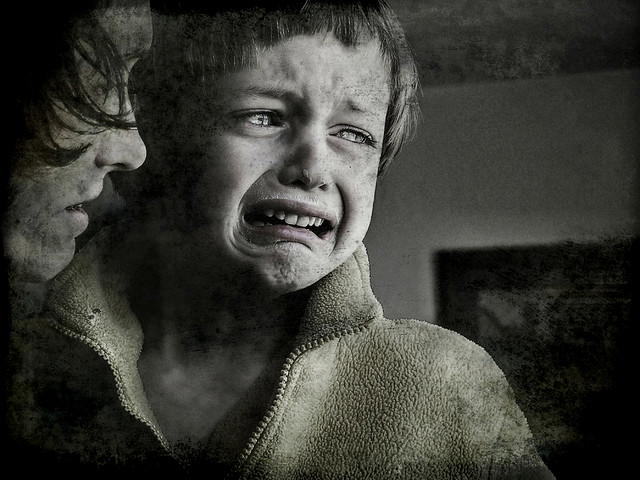
Bullying Warning Signs - Is Your Child a Victim?
Bullying is serious and harmful and unfortunately all too common. Is your child a victim of bullying at school? If you answered with a no; are you absolutely sure that you’re right? Learn about the warning signs of bullying and be ready to spot it and intervene early when necessary.

Although you’d always want your child to tell you about getting bullied so you could help put a stop to it, too often, children remain silent about what they experience out of the house and suffer alone with some very un-childlike burdens.
Bullying is a common experience for our children - about 1 in 3 kids will be the victim of bullying during childhood1 - but though ‘normal’ in its frequency of occurrence we should never think of being bullied as a normal or necessary part of the childhood experience. Bullying is dangerous and the victims of bullying suffer serious consequences that can, in some cases, persist into adulthood.
Research shows that when authorities and peers get involved, the bullying usually stops2, but too often, parents don’t even find out about the bullying until great damage is already done. Learn the warning signs that point towards a bullying problem and you’ll be ready to intervene much quicker and you’ll save your child a lot of unnecessary pain and suffering.
Warnings Signs of Bullying
In no particular order
- Suddenly losing interest in school or suddenly developing an aversion to going to school
- Coming home from school with ripped clothing or missing possessions
- Coming home from school with cuts and bruises that aren’t easily explained away
- Suffering from insomnia, nightmares or bedwetting
- Frequent stomach aches or headaches
- Comes home from school starving, as if she hadn’t eaten lunch (bullies may extort food or lunch money from their victims)Suddenly starting to talk very badly about peers at school
- Comes home from school bursting to use the bathroom (as if he’d been too scared to be alone in the school bathroom and at the mercy of a bully)
- Having few friends at school, or no friends at all
- A sudden decline in school performance
- Taking an unusual route to school Seeming anxious about school, or when asked about school
- A sudden change in overall mood – becoming more withdrawn, sadder, etc.
If you see your child’s behaviors displayed within the list above, get informed about the realities of bullying and talk to your child about what’s really going on. You can’t fight your child’s battles for her, but there are some battles no child should have to fight at all. If you find your child does endure.
References
- 1. National Society for the Prevention of Cruelty to Children: Bullying, Key Child Protection Statistics
- 2. Bullying Myths and Facts (archived from bullying.org, 2011)
Editor’s picks
Workplace Bullying
Playground bullies grow up and sometimes become workplace tyrants. If you’re the victim of bullying at work you need to make it stop, before your health, well being and career potential is adversely affected. Learn more about how to recognize both overt and covert forms of bullying and learn how to handle a workplace bully to make the harassment stop.

Overcoming Adult Bullying - Tips on Getting Support, Documenting, Boundaries and More
We tend to associate bullying with the behavior of children and not adults, but the same dynamics from social circles in middle school and high school are perpetuated amongst a high percentage of adults. Overcoming bullying requires both internal and external changes.

Teaching Ourselves and Our Children Not to Bully
Bullying can dramatically change life's course. It's a pervasive cultural problem. We must teach ourselves and our children not to bully.

9 Strategies for Dealing with a Bully
Bullying is common, but it’s not harmless; in fact, children who get bullied can experience consequences like depression, social anxiety or low self esteem that can last all the way into adulthood. If you or someone you love is getting bullied, you need to make it stop. Read on to learn 9 proven ways to deal with bullies.

Relational Bullying – The Power and Pain of Social Bullying
Relational bullies use our needs for acceptance and friendship against us as they manipulate and harm our social relationships. The victims of relational bullies may never come home battered and bruised, but the pain of being the victim nasty gossip and rumors or social exclusion is just as real and just as harmful. Relational bullying peaks during middle school and its perpetrators and victims are usually girls, and unfortunately - most of the time, the bullies get away with and adults never even learn about it. Learn more about relational bullying and about what you can do to make sure your child never becomes a victim.