Worrying a Lot about the Earthquake in Haiti – Do You Have a Stress Disorder (PTSD)?
Although the closer you are and the more directly affected by a traumatic event the greater your risk of a stress disorder like post traumatic stress disorder (PTSD), people who witness very traumatic events can also experience stress disorders, as can people who only watch the events unfold on TV.

If a traumatic event you’ve experienced, witnessed or witnessed via news media is causing you extreme and lasting stress, you may have a treatable stress disorder.
Do You Have a Stress Disorder?
According to the American Psychological Association (APA), anyone experiencing any of the following 12 symptoms for longer than 1 month should talk to a mental health professional for a stress disorder assessment.
Signs of a Stress Disorder:
- Insomnia or changes in appetite
- Feeling hyper-vigilant, or on edge all the time (easily startled)
- Feeling depressed or sad a lot of the time – having little energy
- Being unable to remember the traumatic event
- Feeling like you can’t concentrate or make decisions, feeling scatterbrained
- Feeling angry or irritable
- Feeling like you can’t connect with others; feeling emotionally deadened
- Finding yourself crying all of a sudden or feeling like there is no hope
- Avoiding people places or things that trigger memories of the trauma
- When something triggers a memory of the trauma, finding yourself feeling afraid or anxious
- Experiencing exaggerated worry about the safety and well being of those you love
- Experiencing reoccurring nightmares or thoughts about the trauma
If you think that you might have a stress disorder, talk to a mental health professional for an accurate diagnosis and possible treatment. Untreated stress disorders like PTSD do not necessarily get better in time; in fact, they can sometimes get worse. Fortunately, stress disorder treatments are available, minimally intrusive and very effective.
Read PTSD Facts to get a better understanding of stress disorders.
Editor’s picks
How Adverse Childhood Experiences Lead to Adult Addiction
Part 1 of a 2-part article on how childhood trauma leads to lifelong challenges – like addiction and other mental and behavioral health problems. Also, how to know if childhood trauma affects someone you love.
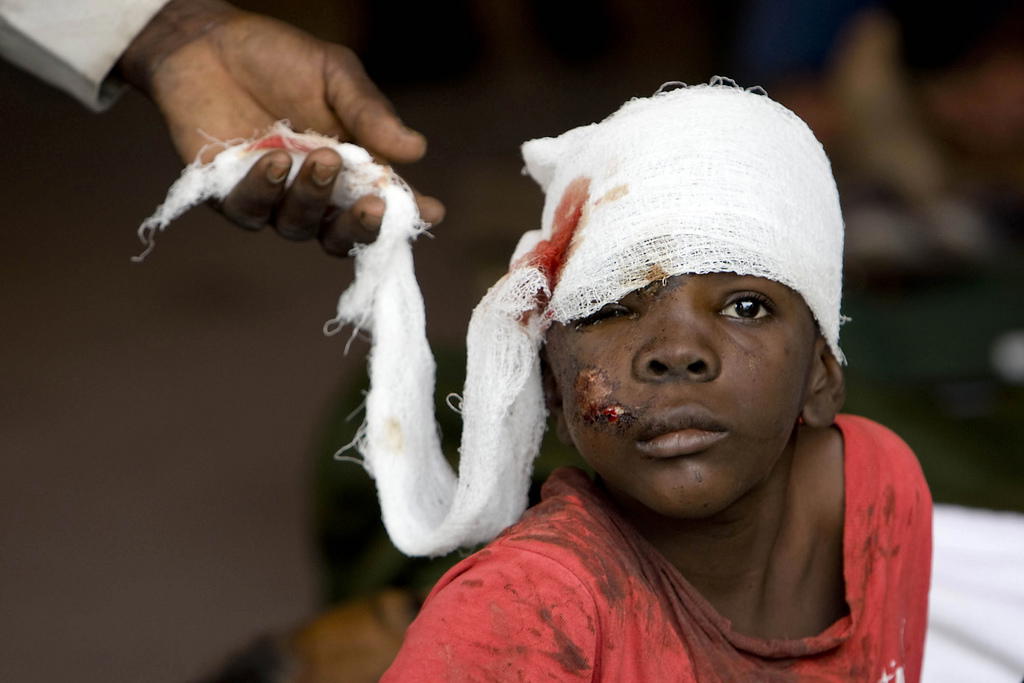
Helping Children Cope after a Disaster
A guide to how children feel and act after experiencing a disaster and what parents can do to minimize fear and other harms.
Dealing with Grief after a Disaster – The Risk of ‘Complicated Grief’
While few things hurt like the sudden loss of a loved one, grief is a necessary and ultimately healthy process. Unfortunately, people who lose family and friends to disasters may be at an increased risk of a disorder known as traumatic or complicated grief.
How to Support Someone with a Family Member in Haiti
Many of us know someone deeply affected by the earthquake in Haiti. Even thousands of miles from the devastation, we can see the pain and worry in the faces of those we care about as they watch and wonder, or grieve, friends and family left behind in Port au Prince.
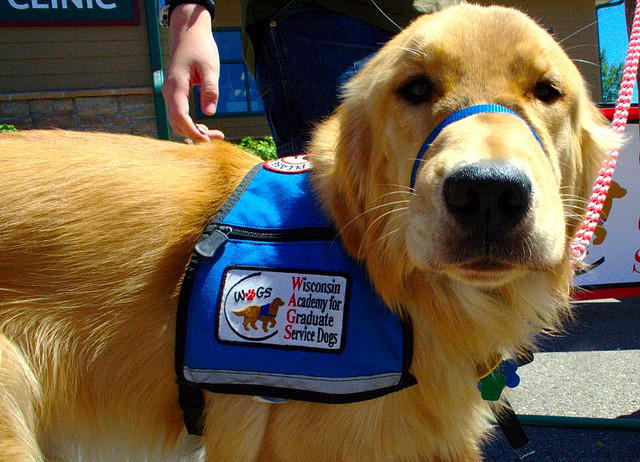
Trained Service Dogs Reduce PTSD Symptoms
Like seeing eye dogs but for those suffering from PTSD symptoms, service dogs are ever vigilant so you don’t have to be, they are trained to wake you from nightmares, block others from intruding into your personal space, watch your back and even give you a doggy hug during moments of intense anxiety. While there is little research on the relatively new idea of pairing those with PTSD with service dogs, those who are already benefiting from this canine companionship say it makes a world of difference – that it can be a literal lifesaver.