Eating Disorders
26 articles

'Flat Tummy' Fury
At a time when there seems to be more of an emphasis on female empowerment than ever before, messages of shame related to body size still permeate our culture.

Yoyo Dieting Leads to Drug Withdrawal-Like Stress Response
Researchers at the Scripps Institute say that not only does Yoyo dieting fail to induce lasting weight loss, it can actually trigger a drug withdrawal-like stress response in the brain that can lead to overeating and weight gain.

Scientists Identify Hormone that Makes Us Eat When We’re Already Full
If we all stopped eating once sated then none of us would become overweight. Unfortunately, many of us will continue to eat something tasty even after we’re full. Scientists think they’ve identified the hormone that makes us do this and have shown that if they blocked it – we probably wouldn’t overeat anymore.

Rats Fed a High Fat Diet Develop a Tolerance to the Pleasures of Eating
Rats fed an ‘all you can eat’ buffet diet of cheesecake and bacon may provide answers to questions about the root causes of overeating behaviors and obesity.

Food Placements in Movies Help Fuel Childhood Obesity Epidemic
Researchers say that food product placements in movies tend to promote high calorie and low nutrient foods and that kids and teens may be unduly influenced by these placements.

Binge Eating Now a Recognized Mental Illness
Binge eating disorder, a condition that affects an estimated 2% to 5% of Americans over a lifetime, is now a recognized disorder to be included in the upcoming edition of the DSM – the bible of psychological disorders.

A Third of Overweight Teens Think They’re at a Healthy Weight
1 in 3 overweight or obese teens fails to recognize that they have a weight problem.

Researchers Say Brazilian Diet Pills Are Dangerous
Researchers at Harvard Medical School say that the Brazilian diet pills used by million of Americans can contain pharmaceutical substances (like amphetamines) and can be dangerous and addictive.

Relax Already! - Researchers Say That Stress Leads to Compulsive Eating!
Ever get a chocolate craving? Well, if you’re a stressed out choco-loving lab mouse – you’ll brave electric shocks to satisfy your desire for chocolate.
Yoplait Yanks Eating Disorder Promoting Commercial
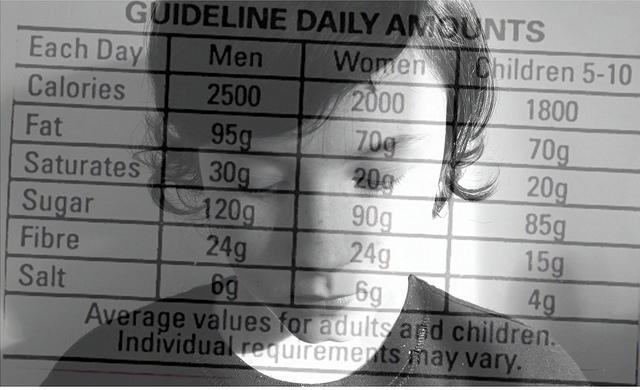
After hearing complaints from the National Eating Disorders Association (NEDA), Yoplait Yogurt has decided to cancel a commercial that normalized the obsessive thoughts and behaviors inherent in eating disorders.

Half Million American Teens Have an Eating Disorder
Researchers at the National Institute of Mental Health have just released the data on the largest and most representative study ever completed on teen eating disorder prevalence. What they found? – More than half a million American teens suffer from an eating disorder and more than half of these kids also live at least one other mental illness.

Born during Spring? If Yes – You’re at Greater Risk of Anorexia
British researchers who examined the medical records of anorexia patients say that an unusual number of these patients were born between March and June.

Alcoholism in the Family? Researchers Say You’re More Likely to Be Obese.
Women with a family history of alcoholism are 49% more likely to be obese than women without a close relative alcoholic. Researchers suspect that people with a genetic predisposition for alcoholism are also more likely to stimulate the pleasure centers of the brain with overeating.
Heavy Facebook Use Ups Risk for Eating Disorders
Got a teen daughter that spends hours a day glued to Facebook? Well, watch out, because according to some research out of Israel, girls who spend more time on the social networking site are at greater risk to experience an eating disorder.

Trying to Lose Weight? Imagine Yourself Eating Those Foods that You Crave and You’ll Eat Less.
Researchers at Carnegie Melon University say that by imagining yourself eating something, you trick your brain into getting ‘bored’ of that particular food, and as a result eat less of it.

Anorexia Is the Most Dangerous Mental Illness – Anorexics Almost 6 Times More Likely to Die
After wading through study data on more than 17 000 people with eating disorders, researchers have determined that anorexia nervosa is the most lethal of all mental illness – by far.

Obesity Researchers Say Neurobiology, Not Will-Power, the Secret to Weight Control
Researchers at Rush University Medical Center say they’ve figured out how to help people lose weight – and that typical forms of obesity counseling; which involve helping obese people learn strategies overcome cravings to eat high calories foods, just don’t work.

NIDA Says ‘Overwhelming’ Evidence Supports Idea of Food Addiction
Can’t stop eating? Maybe you’re addicted to food – researchers say that the brains of compulsive eaters respond to the thought of fatty/sugary foods like the brains of alcoholics respond to the thought of a drink.

Fighting Obesity - Talking Dinner Plates Teach Healthier Eating Habits
To tackle obesity, the National Health Service in the UK is trying out dinner plates which measure your rate of consumption and deliver recorded messages when you start eating too quickly

Israel Bans Underweight Models
Models with a BMI score of under 18.5 need no longer apply for fashion work in Israel.

Binge Eating May Cause Brain Changes That Increase Susceptibility for Drug Addiction
Penn State researchers say food binging may predispose a person to drug addiction.

Older Women Continue to Struggle with Disordered Eating and Body Image Problems
Although we may think eating disorders are a young person’s problem, new research out of The University of North Carolina demonstrates that even after 50, women are still very prone to disordered eating and body image problems.

Fight Obesity - Researchers Say Eating Food Cut into Small Pieces Makes You Feel Full Faster
Researchers say one way we judge food quantity is by evaluating how many pieces of food we have to eat on our plate, so if you’re trying to lose weight, you can trick your mind into accelerated satiety by cutting food into tiny pieces.

Researchers Debunk Willpower and Teach the Secret of Easier Weight Loss
Researchers say that people with high self-control don't really have more willpower, they just stop enjoying junk food faster. Fortunately, by paying close attention to the amount consumed, even people with low self-control can become sated faster.

Women Who Read Food Labels Weigh About 9 lbs Less, on Average
Need to lose a few pounds? Consider this – women who regularly read the nutritional information on food labels weigh about 9 pounds less, on average, than women who don’t.
Financial Incentives and Penalties Can Help People Stick with a Weight Loss Program and Lose More
Obese people rewarded with $20 for losing 4 pounds in a month were far more likely to lose significant weight than people given no such cash incentives.